
How To
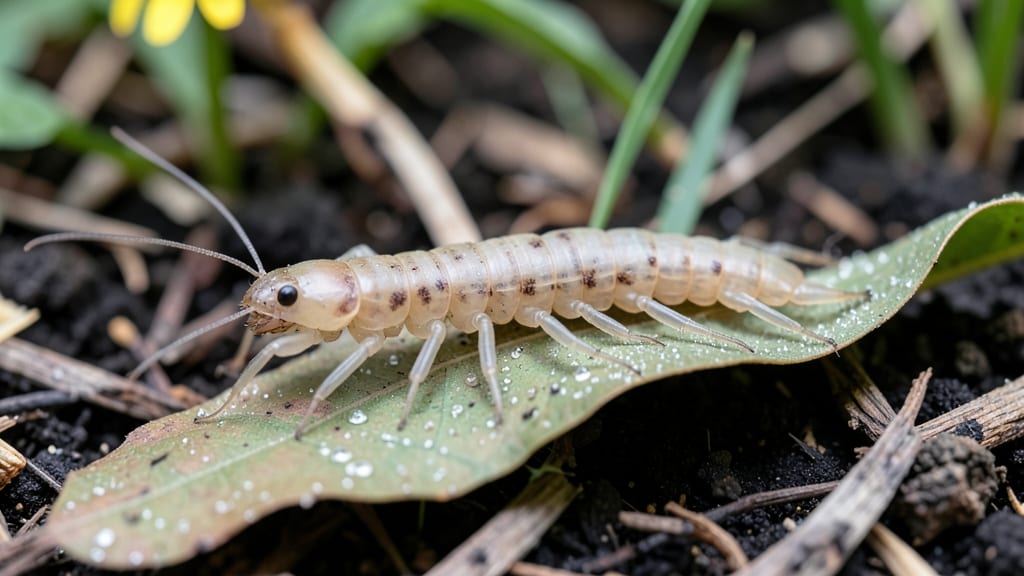
The soil centipede in house isn’t just creepy—it’s a sign your plants need a reset. 🌱 I’ve wrestled with these long-legged invaders after bringing in new potted plants, and the key to stopping them starts with understanding why they show up in the first place. They’re not actually pests—they’re scavengers that hitchhike in fresh soil or mulch. The real problem? Their presence means moisture and decaying organic matter are creating a perfect hideout. Most store-bought remedies overpromise and underdeliver, but the solutions that work rely on disrupting their environment without harsh chemicals. You’ll learn to spot their trails, use simple traps, and adjust plant care to make your home less appealing. Within a week, you’ll see fewer centipedes wandering across your floors—and your plants will thrive without unwanted guests. This works for all houseplants, whether you’re dealing with a single pot or a whole collection. Let’s make your indoor garden centipede-free for good.
Why it happens
Discovering soil centipedes—those long, segmented, fast-moving critters—slithering through your home isn’t just unsettling; it’s a sign your home’s ecosystem is out of balance. But why do they invade in the first place? These arthropods aren’t random stragglers; they’re following cues left by nature (and sometimes, human habits).
Let’s break down the real reasons they end up indoors, so you can address the root cause and keep them out for good.
Soil centipedes thrive in damp, humid environments—think of them as the indoor version of a rainforest dweller. If your home has excess moisture, you’re essentially rolling out the welcome mat. Here’s how it happens:
- Leaky pipes or faucets: Even a slow drip creates a microclimate of humidity near walls, basements, or crawl spaces. Centipedes detect these moisture gradients and migrate toward them, often crawling through tiny gaps in pipes or foundation cracks.
- High indoor humidity (50%+): Bathrooms, laundry rooms, and kitchens with poor ventilation become magnets. Centipedes can’t survive dry conditions, so they seek out these humid pockets—sometimes even under sinks or behind washing machines.
- Condensation on windows or AC units: Cold surfaces (like windows in summer) cause condensation, which centipedes exploit. They’ll often gather near drafty windows or air conditioning vents, especially in basements.
Actionable fix: Use dehumidifiers in problem areas, fix leaks immediately, and ensure proper ventilation in bathrooms and kitchens. Aim for ideal indoor humidity levels (30-50%)—centipedes won’t stick around if it’s too dry for their liking.
Centipedes are predatory hunters, and if your home accidentally becomes a buffet, they’ll move in. Their diet? Small insects, spiders, silverfish, and even decaying organic matter. Here’s what’s luring them:
- Other pests as snacks: If your home already has an infestation of roaches, ants, or spiders, soil centipedes see it as an all-you-can-eat salad bar. They’ll follow the scent trails of these pests right into your living spaces.
- Stored food or pet food left out: Crumbs, spilled grains, or uncovered pet food attract insects, which in turn attract centipedes. Even compost bins indoors (like worm bins) can become breeding grounds if not managed properly.
- Decaying wood or plant matter: Basements with old cardboard boxes, wood piles, or houseplants with overwatered soil create perfect hiding spots. Centipedes will burrow into damp mulch or rotting wood near entry points.
Actionable fix:
- 🕷️ Seal food in airtight containers and clean up crumbs immediately.
- 🐛 Eliminate other pests first—centipedes won’t stick around if their prey is gone.
- 🌿 Remove clutter (especially in basements and garages) to deny them hiding spots.
Soil centipedes are opportunistic explorers. If there’s a crack, gap, or unsealed opening larger than a 1/16-inch, they’ll squeeze through—no problem. Here’s how they get in:
| Entry Point | How They Use It | Where to Check |
|---|---|---|
| Foundation cracks | Crawl from soil into basements or crawl spaces, especially after rain. | Exterior walls, basement walls, and around utility pipes. |
| Gaps in doors/windows | Slide under doors or through loose window frames, attracted to indoor warmth. | Bottom of exterior doors, window sills, and screens. |
| Vents and utility lines | Enter through gaps around AC vents, dryer vents, or electrical lines. | Attic access points, basement utility lines, and roof vents. |
| Plumbing leaks | Follow moisture trails through tiny cracks in pipes or seals. | Under sinks, behind toilets, and near water heaters. |
Actionable fix:
- 🔧 Seal cracks with silicone caulk or expanding foam, especially around windows, doors, and foundation.
- 🪟 Install door sweeps on exterior doors to block gaps at the bottom.
- 🕵️ Inspect vents—cover gaps with fine mesh screens if needed.
Centipedes are cold-sensitive, and when outdoor temperatures drop (or rise too much), they seek refuge indoors. Here’s the seasonal breakdown:
- Fall/Winter: As soil temperatures drop, centipedes burrow deeper or migrate indoors for warmth. They’re often found near heat sources like furnaces or sunny windows.
- Spring/Summer: Heavy rains saturate soil, forcing them to seek drier indoor spaces. They may also follow other pests (like ants) that are escaping heat.
Actionable fix:
- 🌡️ Monitor seasonal changes—take preventive action before centipedes become a problem.
- 🔥 Reduce indoor heat sources near entry points (e.g., don’t place heaters close to doors or vents).
Pro Tip: 💡 Centipedes don’t jump or fly—they only crawl. If you see them on walls or ceilings, they likely hitched a ride on another insect or followed a moisture trail upward. Trace their path to find the source!
Quick Fixes for Household Centipedes
Got unwanted soil centipedes slithering through your home? Don’t panic—these creepy-crawlies are easier to evict than you think! Below, we’ve mapped out practical solutions tailored to the most common causes, from entry points to moisture issues.
Follow these steps to reclaim your space, and we’ll toss in some prevention tips to keep them from crashing the party again.
Centipedes sneak in through tiny gaps, cracks, or damp basements. Stop them before they start!
- 🔧 Inspect & Caulk Gaps Walk your home’s perimeter (doors, windows, foundation) with a flashlight. Seal cracks with silicone caulk or weatherstripping.
Pay extra attention to: - Baseboards (they love hiding under them!) - Vents & pipes (use steel wool or copper mesh as a barrier) - Door sweeps (replace worn-out ones)
- 🚪 Install Door Sweeps & Screens Add threshold seals to exterior doors and fine mesh screens on vents, crawl spaces, and windows. Centipedes are fast but not acrobats—they’ll think twice before attempting a midair leap.
Centipedes thrive in damp environments. Dry it out, and they’ll dry up!
- 🌡️ Fix Leaks & Improve Ventilation Check for leaks under sinks, around toilets, and in basements.
Use a dehumidifier (aim for 40-50% humidity) in problem areas like bathrooms and crawl spaces. - Pro Tip: 💡 Place silica gel packs or Diatomaceous Earth (DE) in damp corners—both absorb moisture and suffocate pests.
- 🚿 Dry Wet Areas Immediately Wipe up spills, fix dripping faucets, and air out damp rooms with fans. Centipedes will move on to less hospitable (read: drier) digs.
If you’ve already spotted centipedes, lure them out with these DIY traps.
- 🍞 Bait Traps (Non-Toxic) Mix borax + flour + sugar (1:2:2 ratio) and place small amounts in bottle traps or along baseboards. Centipedes will eat it, get dehydrated, and die. Safety note: Keep this away from pets/kids!
- 🕯️ Sticky Traps & Roll-On Traps Place double-sided tape or sticky traps near entry points (under sinks, behind appliances). For hard-to-reach spots, use a cardboard roll trap: 1.
Cut a toilet paper roll in half. 2. Coat the inside with petroleum jelly. 3. Place near centipede hotspots—they’ll crawl in and get stuck.
- 💨 Vacuum & Dispose Properly Spot a centipede? Suction it up immediately with a vacuum (no chemicals needed). Dispose of the bag outside—don’t risk them escaping!
Centipedes hate certain scents and textures. Flood your home with these barriers!
- 🌿 Essential Oil Sprays Mix 10 drops peppermint, tea tree, or citrus oil with 1 cup water + 1 tsp dish soap. Spray along baseboards, windowsills, and entry points. Reapply weekly—centipedes despise the smell!
- 🪲 Diatomaceous Earth (DE) Barrier Sprinkle food-grade DE in a thin line:
- Along baseboards
- Behind appliances
- In crawl spaces Why it works: DE damages their exoskeletons, causing dehydration. Safe for humans/pets once settled (just avoid inhaling it).
- 🍋 Citrus & Coffee Grounds
- Peel & crush citrus rinds, place near entry points.
- Sprinkle used coffee grounds in problem areas (centipedes avoid the smell). Bonus: Both are free and smell great!
If centipedes keep returning despite your efforts, you might have a larger infestation or a hidden moisture issue.
Contact a pest control expert if: - You see dozens daily in multiple rooms. - They’re appearing in bedrooms or living areas (not just basements). - You suspect structural damage (like rotten wood attracting pests).
Check these boxes to centipede-proof your home: ✅ Seal all cracks (inside + outside). ✅ Fix leaks & reduce humidity (dehumidifier + ventilation). ✅ Store firewood & mulch away from the house. ✅ Clean gutters & downspouts to prevent water buildup. ✅ Inspect packages & groceries before bringing them inside. ✅ Apply natural repellents monthly (DE, essential oils).
Final Thought: Centipedes are more scared of you than you are of them—act fast, stay dry, and seal tight! With these steps, your home will be a no-go zone for these speedy invaders. 🚫🐜
Frequently asked questions
Are soil centipedes dangerous to humans or pets?
No, soil centipedes aren't dangerous—they're harmless to humans and pets! While their bite can be slightly painful (like a pinprick), they rarely bite unless provoked. The real concern is their presence signals moisture or pest problems in your home. Focus on removing their food sources (other insects) and drying out damp areas.
How can I tell if I have soil centipedes vs. house centipedes?
Soil centipedes are smaller (up to 1 inch) with 15-17 pairs of legs and a flatter body. House centipedes are larger (up to 1.5 inches) with 30+ pairs of legs and a more rounded body. Check their leg count—soil centipedes have fewer legs and prefer damp soil or mulch, while house centipedes hunt in dry areas.
Will Diatomaceous Earth (DE) kill centipedes instantly?
No, DE works by dehydrating centipedes over 24-48 hours, not instantly. Sprinkle it in thin lines along baseboards, windowsills, and entry points where you've seen them. Reapply after cleaning or if it gets wet—it loses effectiveness when damp. For faster results, combine DE with sticky traps.
Why do I keep seeing centipedes after treating my house?
Centipedes are fast and can hide in cracks, under appliances, or in wall voids. If they keep returning, you likely have ongoing moisture issues or unsealed entry points. Check for leaks, improve ventilation, and reseal gaps. They may also be following other pests—treat for roaches, ants, or spiders first.
Can I use vinegar to repel soil centipedes?
Vinegar won't repel centipedes effectively, but it can help clean their trails. For better results, use a mix of peppermint oil + water (centipedes hate the scent). Spray along baseboards and entry points weekly. Vinegar's acidity might temporarily disrupt their movement, but it won't solve the root cause (moisture or food sources).