
How To
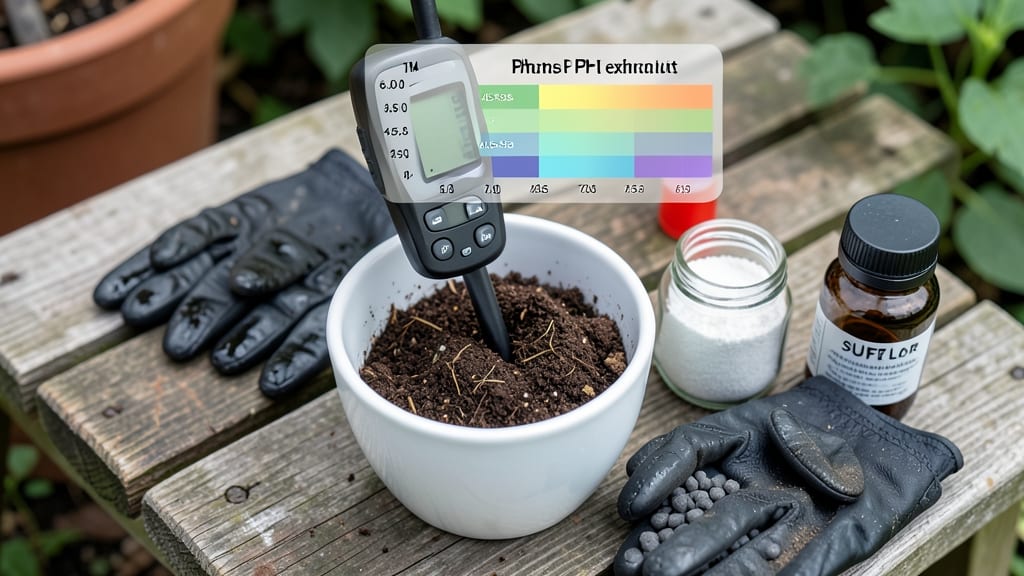
The ideal soil pH range for most plants falls between 6.0 and 7.0, creating the perfect balance for nutrient uptake and root development. Different plants may require slight adjustments based on their specific needs.
Understanding your soil's pH level is like knowing the foundation of a house—it determines what nutrients your plants can access. 🌱 A pH below 6.0 makes soils too acidic, locking out essential nutrients like phosphorus and calcium, while a pH above 7.0 creates alkaline conditions that restrict iron and manganese.
Most garden plants thrive in this neutral-to-slightly-acidic range, but acid-loving plants like azaleas or blueberries need pH levels closer to 4.5-5.5. Testing your soil annually helps you make informed adjustments using amendments like lime (to raise pH) or sulfur (to lower it).
Here's why this matters: even a small pH shift can drastically change plant health.
For example, tomatoes prefer a slightly acidic soil (6.0-6.8), while asparagus thrives in neutral to slightly alkaline conditions (7.0-7.5). 🔍 Regular testing and adjustments ensure your garden provides the right environment for your plants to flourish year after year.
💡 In This Article
- How Soil pH Affects Nutrient Availability for Plants
- Testing and Adjusting Soil pH for Optimal Plant Growth
How soil pH affects nutrient availability for plants
The pH scale measures hydrogen ion concentration in soil, with 7.0 being neutral, below 7.0 acidic, and above 7.0 alkaline. These levels directly impact nutrient solubility—the ability of roots to absorb minerals.
For instance, nitrogen becomes more available in slightly acidic soils (6.0-7.0), while phosphorus thrives in slightly acidic to neutral ranges (6.0-7.5). This is why most garden plants prefer this zone, as their roots can efficiently access these critical nutrients.
Hydrogen ions in acidic soils (pH < 6.0) compete with essential minerals like calcium and magnesium, reducing their availability.
Conversely, alkaline soils (pH > 7.5) cause iron and manganese to bind tightly to soil particles, leading to deficiencies like iron chlorosis—yellowing leaves with green veins—common in lawns and vegetable gardens.
The chemistry is precise: even a 0.5 pH shift can make a nutrient 10 times more or less available to plants.
Micronutrients like zinc and copper follow similar patterns. Zinc, for example, becomes scarce in soils with pH > 7.0, while copper availability peaks at pH 5.5-6.5. This explains why blueberries, which need pH 4.5-5.5, show stunted growth in neutral soil—they simply can't access enough iron or manganese.
The soil's buffering capacity (its resistance to pH change) also matters: sandy soils change pH quickly, while clay soils resist adjustments, requiring more precise amendments.
Visual clues often reveal pH-related issues. Purple or red leaves may signal phosphorus deficiency in acidic soil, while yellowing between veins points to iron chlorosis in alkaline conditions.
Soil tests measure these risks by analyzing nutrient levels alongside pH. For example, a pH 8.0 soil might test high in calcium but show dangerously low iron levels—despite the soil appearing rich.
This disconnect highlights why pH adjustments aren't just about numbers but about creating the right chemical environment for roots to thrive.
Consider the case of tomatoes: their roots struggle in pH > 7.0 because calcium (needed for cell walls) becomes locked out. Yet, in pH < 5.5, aluminum toxicity can occur, damaging root tips. The sweet spot—6.0-6.8—balances these extremes, ensuring both macronutrients (nitrogen, phosphorus, potassium) and micronutrients are accessible.
This balance is why gardeners obsessed with perfect blooms or bumper crops obsess over pH: it’s the invisible lever controlling what nutrients their plants can actually use.
For container gardeners, this becomes even more critical. Potted plants rely entirely on the limited soil volume, where pH shifts happen faster due to watering and fertilizer use.
A pH 6.5 mix might suit herbs like basil, while the same mix at pH 7.5 could starve the plant of iron, causing leaf drop. The solution? Regular testing and amendments tailored to the plant’s needs—because in soil chemistry, precision matters more than volume.