
Planting
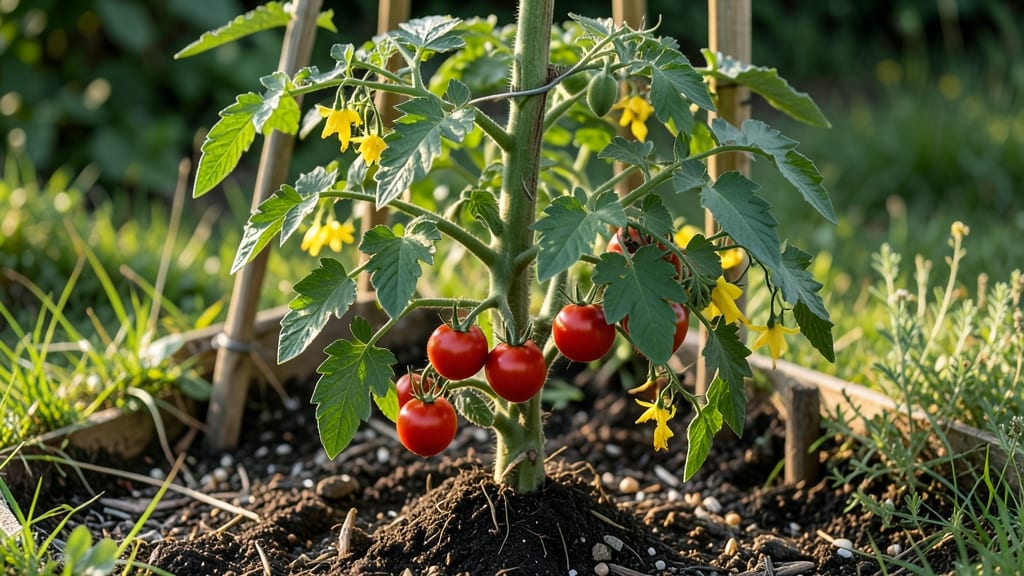
The ideal tomato plant soil type is well-draining, loose soil with a slightly acidic to neutral pH (6.0–6.8), rich in organic matter like compost. Sandy loam or loamy soil prevents root rot while retaining moisture, while heavy clay should be amended with perlite or peat moss for aeration.
The right soil type for tomato plants isn't just about drainage—it's about creating the perfect balance for nutrient absorption and root health. 🌱 A slightly acidic to neutral pH (6.0–6.8) ensures your plants can access essential minerals like calcium and magnesium without stress.
I've found that adding aged compost or worm castings boosts fertility while maintaining that airy texture, which is crucial for preventing fungal diseases. For container gardening, a mix of coconut coir and perlite works wonders for aeration, while in-ground gardeners should avoid compacted clay by incorporating sand or organic matter.
What many gardeners overlook is how soil texture directly impacts tomato plant vigor. Heavy clay soils can suffocate roots, while pure sand drains too quickly, both leading to stunted growth.
The sweet spot is a loamy blend that holds moisture without waterlogging—think of it as the Goldilocks of soil types for tomatoes.
If your garden soil feels dense, try amending it with 1-2 inches of compost before planting, then top-dress with mulch to preserve that ideal balance throughout the growing season.
💡 In This Article
- How Soil pH Affects Tomato Growth and Nutrient Uptake
- Best Soil Mixes and Amendments for Healthy Tomato Plants
How soil pH affects tomato growth and nutrient uptake
Tomatoes are finicky about soil acidity because their nutrient uptake depends on pH-dependent chemistry. At the ideal range of 6.0–6.8, essential minerals like calcium, magnesium, and iron become soluble and available to roots.
When soil pH drops below 5.5 (too acidic), aluminum and manganese become toxic, stunting root growth. Above 7.5 (alkaline), calcium and phosphorus lock up, causing blossom-end rot despite adequate soil levels. 🔬 This is why yellowing leaves or weak stems often signal pH imbalance—not just poor soil quality.
The magic happens at the microscopic level: soil pH controls the electrical charge of mineral particles. In slightly acidic soil (6.0–6.8), negatively charged clay particles attract positively charged nutrients (calcium, magnesium), making them accessible to roots.
But when pH shifts, these minerals bind too tightly to soil particles or become insoluble. For example, iron deficiency (chlorosis) occurs at pH 7.0+ because iron oxidizes and precipitates out of solution. The solution?
A simple soil test kit ($10–$20) reveals your exact pH, while vinegar (for alkalinity) or sulfur (for acidity) can adjust it naturally.
Here's what happens when pH goes wrong:
- Too acidic (<5.5): Roots release toxic aluminum, causing stunted growth and brown root tips
- Too alkaline (>7.5): Calcium deficiency triggers blossom-end rot (sunken black spots on fruit)
- Perfect balance (6.0–6.8): Roots thrive, flowers set fruit, and yields increase by 20–30%
For container growers, this means pre-mixed potting soil often needs adjustment. I've had success adding 1 teaspoon of garden lime per gallon of soil to raise pH or 1 tablespoon of peat moss to lower it.
The key is gradual changes—adding amendments all at once can shock plant roots. Think of it like adjusting a recipe: small tweaks make all the difference. 🌱
Even with perfect pH, texture matters. Heavy clay soils often have high pH naturally because limestone bedrock leaches into them. If your soil feels dense, mix in 20% perlite or coarse sand to improve drainage while maintaining that critical pH balance.
The goal is a loamy texture—like crumbly cake batter—that holds moisture without suffocating roots.
Pro tip: Mulch with 2–3 inches of straw or wood chips to stabilize soil pH over time. Organic mulch slowly acidifies soil as it breaks down, creating ideal conditions for tomato plants. This natural process mimics forest floors where tomatoes originally thrived. 🌿