
Plants
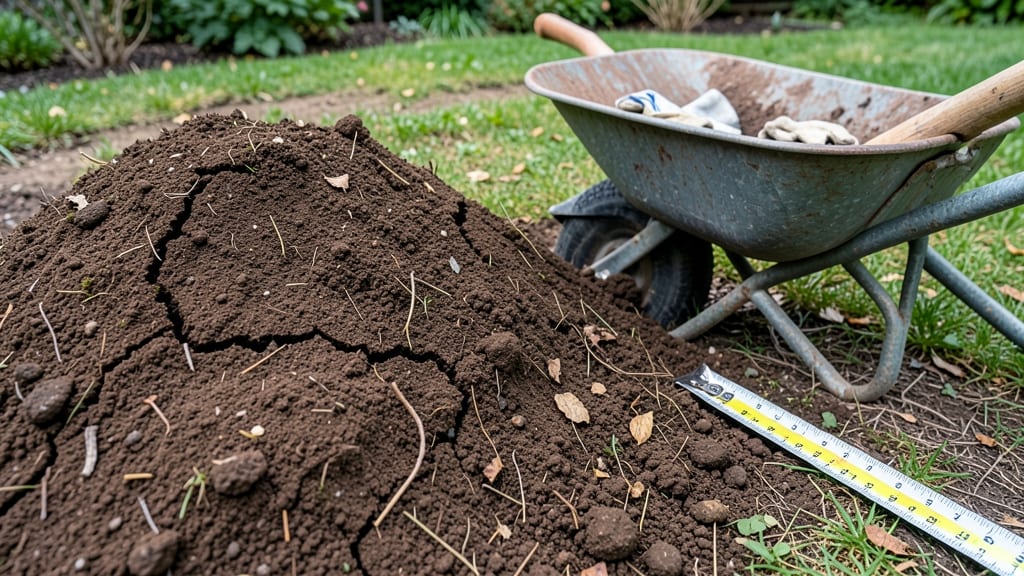
A cubic yard of soil looks like a cube measuring 3 feet in every direction, similar in size to a large dumpster or a standard pickup truck bed. This volume weighs between 2,000–2,700 pounds, making it a substantial but workable amount for most gardening needs.
A cubic yard of soil is essentially a three-dimensional cube that fills spaces you encounter daily.
Imagine stacking three standard trash cans side by side—each measuring about 3 feet wide, deep, and tall—that gives you a rough visual of its dimensions. 🌱 For gardeners, this translates to roughly the amount needed to fill a 4x8-foot raised bed to a depth of 9 inches, or about 27 standard 2-cubic-foot bags of soil.
The weight can vary significantly based on moisture content, so always check bulk deliveries for accurate measurements before purchasing.
When planning projects like lawn amendments or tree planting, visualizing this volume helps prevent over- or under-purchasing. For example, a 10-foot by 10-foot garden area would require about 10 cubic yards of soil if you're adding 3 inches of topsoil.
Many landscaping suppliers sell soil by the cubic yard, so understanding this measurement ensures you order exactly what you need without waste.
💡 In This Article
- How Cubic Yard Dimensions Compare to Common Gardening Tools
- Visualizing Soil Volume for Landscaping and Planting Projects
How cubic yard dimensions compare to common gardening tools
A cubic yard's dimensions—3 feet in length, width, and depth—create a space that's surprisingly familiar once you visualize it with everyday gardening tools. Picture a standard wheelbarrow: most hold about 2 cubic feet when filled to capacity.
To match a cubic yard, you'd need to load that wheelbarrow 27 times—imagine hauling it back and forth across your yard, each trip feeling like a mini workout! 💪 The volume also equals roughly 100 2.7-cubic-foot bags of soil, the size commonly sold in garden centers.
For raised bed gardeners, a cubic yard is equivalent to filling a 4x8-foot bed to a depth of 9 inches. That's a perfect size for growing vegetables like tomatoes, peppers, or herbs in a single season.
If you're working with a 10-foot-long truck bed, a cubic yard would fill it to about 3 inches deep—just enough to spread a topsoil amendment over a small lawn area.
The key here is understanding how these measurements translate into practical loads, whether you're wheelbarrowing, bagging, or hauling in a truck.
When purchasing soil, this measurement becomes even more critical. A 10-cubic-yard dump truck can carry about five cubic yards at a time, meaning you'd need two full truckloads for a project requiring 10 cubic yards (like amending a 10x10-foot garden with 3 inches of soil).
Many bulk suppliers sell in ½-cubic-yard increments, so always calculate your project's volume first to avoid overbuying or running short mid-project.
Here's a quick comparison to solidify the mental image:
- Wheelbarrow: 1 cubic yard = 27 wheelbarrow loads (assuming 2 cubic feet per load)
- Standard bags: 1 cubic yard = 100 bags (2.7 cubic feet each)
- Truck bed: 1 cubic yard fills a 10-foot bed to 3 inches deep
- Raised bed: 1 cubic yard fills a 4x8-foot bed to 9 inches deep
The weight factor adds another layer—wet, clay-heavy soil can tip the scales toward 2,700 pounds, while dry, sandy soil might weigh closer to 1,600 pounds. This is why lifting a cubic yard feels more like moving a small car than a bag of groceries!
Always check with your supplier for exact weight estimates, especially if you're planning to transport it yourself.
For those working with smaller spaces, like balcony gardens or container planting, this volume might seem excessive. But remember: a cubic yard is just 27 cubic feet, and many projects—like filling a 3x3-foot planter to 3 feet deep—fit neatly into this measurement.
Breaking it down into these relatable comparisons makes estimating soil needs a breeze, whether you're a weekend gardener or a landscaping pro. 🌿