
How To
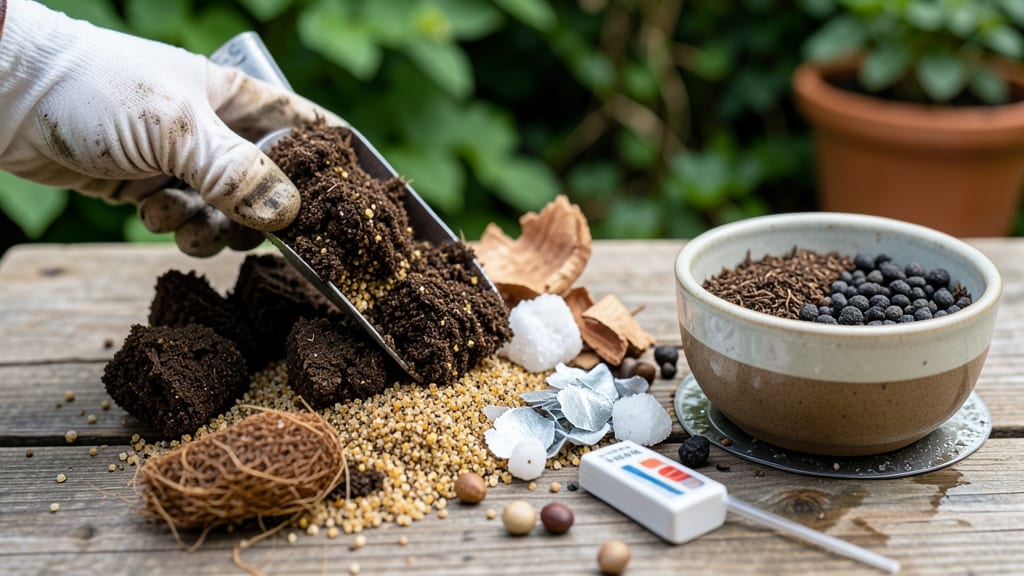
Potting soil is made of organic matter like peat moss or coconut coir, inorganic materials such as perlite or vermiculite, and nutrients like compost or fertilizer to support root growth and drainage. It differs from garden soil by being lighter and more nutrient-dense for container plants.
Potting soil is carefully blended to create the perfect growing environment for container plants.
Unlike garden soil, which is heavy and nutrient-sparse, potting mixes combine organic materials like composted bark and inorganic additives such as sand or rice hulls to improve aeration and water retention. 🌱 The addition of slow-release fertilizers ensures plants get consistent nutrition without the risk of overwatering.
This specialized blend prevents compaction and promotes healthy root development in confined spaces.
What sets potting soil apart is its ability to balance moisture and airflow—critical factors for plants in pots. The lightweight structure prevents root suffocation while still holding enough water for consistent hydration.
For instance, perlite creates air pockets, while coconut coir retains moisture without becoming waterlogged. This combination makes potting soil ideal for everything from delicate herbs to robust vegetables growing in containers.
💡 In This Article
- Core Components of Quality Potting Mix
- Potting Soil vs Garden Soil: Key Differences
Core components of quality potting mix
The foundation of any quality potting mix is its carefully balanced blend of organic and inorganic ingredients. Organic materials like peat moss or coconut coir provide structure while holding moisture and nutrients, but they can break down over time, losing their effectiveness.
Inorganic additives like perlite or vermiculite create essential air pockets that prevent root suffocation, with perlite expanding up to 20 times its original volume when heated. This expansion creates a porous network where roots can breathe and water drains efficiently.
Nutrient delivery is another critical function of potting soil components. Slow-release fertilizers, often derived from organic sources like bone meal or fish emulsion, provide a steady supply of nitrogen, phosphorus, and potassium over 3-6 months.
Some premium mixes also include mycorrhizal fungi, which form symbiotic relationships with plant roots, enhancing nutrient absorption by up to 80%. The texture of these components creates a crumbly, almost cake-like consistency when moistened, allowing roots to spread easily without resistance.
What makes high-quality potting mixes truly effective is their ability to maintain this balance over time. For example, a mix containing 50% peat moss, 20% perlite, 20% compost, and 10% vermiculite will retain moisture while preventing waterlogging.
The compost provides immediate nutrients, while the perlite and vermiculite ensure excess water drains away within 15-30 minutes after watering. This combination is particularly crucial for container plants, which dry out faster than in-ground plants.
One often overlooked component is the microbial life within potting soil. Beneficial bacteria and fungi help break down organic matter, releasing nutrients in forms plants can absorb. A healthy potting mix might contain 10,000-100,000 microbial colonies per gram, compared to just 1,000-10,000 in garden soil.
These microorganisms also suppress harmful pathogens, creating a safer environment for delicate plants like seedlings or cuttings. The result is a dynamic growing medium that actively supports plant health rather than just providing a passive substrate.
For those concerned about sustainability, modern alternatives to traditional peat moss are gaining popularity. Coconut coir, made from coconut husks, offers similar moisture retention with a slightly coarser texture, while biochar improves drainage and nutrient retention.
These alternatives maintain the same structural benefits while reducing environmental impact. The key is understanding how each component contributes to the overall performance of the mix.
When selecting a potting mix, look for labels indicating the percentage of each component. A quality blend will specify proportions for organic matter, inorganic additives, and amendments.
For example, a 60-40 mix (60% organic, 40% inorganic) works well for most container plants, while 50-50 blends are better for succulents and cacti that require excellent drainage. The right combination ensures your plants thrive in their confined growing spaces.