
Advice
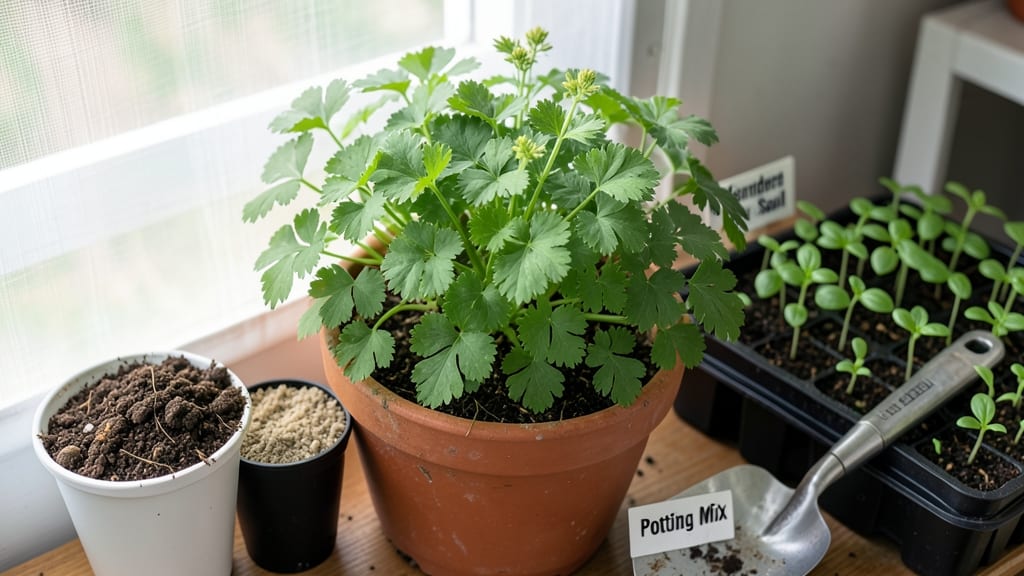
You can use garden soil as potting soil, but it requires careful mixing—it drains poorly, compacts over time, and may harbor pests or diseases. Combine it 1:1 with perlite, sand, or compost to improve aeration and fertility, though heavy clay soils should never be used.
Garden soil isn't designed for container growing because its dense structure smothers roots and traps excess moisture, leading to rot. 🌱 The ideal potting mix contains lightweight components like peat moss or coconut coir to prevent compaction.
I've found that adding coarse sand or vermiculite helps break up clay-heavy garden soil, while compost introduces beneficial microbes. For delicate plants like seedlings or succulents, stick to commercial potting mixes—they're formulated to prevent these common issues entirely.
Even when amended, garden soil mixes may still struggle with nutrient consistency. Unlike sterile potting mixes, outdoor soil can introduce weeds, pathogens, or chemical residues from previous plantings. Always sterilize homemade mixes by baking them at 200°F for 30 minutes if you're concerned about contaminants.
The key is balance: too much garden soil makes the mix too heavy, while too little amendment leaves your plants starved for oxygen.
💡 In This Article
- Why Garden Soil Fails as Potting Soil
- How to Safely Mix Garden Soil for Potted Plants
Why garden soil fails as potting soil
Garden soil's dense structure creates a suffocating environment for roots because it lacks the air pockets found in proper potting mixes. When watered, garden soil compacts even further, trapping moisture and cutting off oxygen flow to plant roots.
This is why plants in garden soil often show signs of stress—yellowing leaves or stunted growth—even when watered correctly. The ideal potting mix has a 30-40% air space by volume, while garden soil typically sits at only 10-20% air space, making it far too dense for container growing.
The texture difference is dramatic: garden soil contains 25-40% clay particles that bind tightly, while potting mixes use lightweight components like perlite or coconut coir that stay fluffy.
Clay soil also holds 15-20% more water by weight than sandy mixes, which is why potted plants in unamended garden soil often develop root rot within weeks.
The science here is simple—roots need both water and oxygen, and garden soil delivers too much of one and too little of the other.
Another critical issue is nutrient imbalance. Garden soil provides a slow-release nutrient supply over months, but potted plants need readily available nutrients every few weeks. The microbes in garden soil—while beneficial outdoors—can also introduce pathogens like Pythium or nematodes that thrive in the confined, moist environment of pots.
I've seen houseplants wilt dramatically after being transplanted into unsterilized garden soil mixes, even when the soil looked fertile. The problem isn't just the nutrients; it's the microbiome mismatch between outdoor and container growing conditions.
Heavy clay soils are particularly problematic because they form a hard crust when dry, making it nearly impossible for roots to penetrate. This is why professional potting mixes avoid clay entirely—it creates what horticulturists call "soil memory," where the structure remains compacted even after watering.
For comparison, a good potting mix should crumble easily between your fingers when dry, while garden soil often forms clumps that resist breaking apart. 🌱
Even the smell gives it away: fresh garden soil has an earthy, sometimes musty aroma from decomposing organic matter, while quality potting mix smells neutral or slightly sweet from composted materials.
This difference reflects the microbial activity—garden soil is alive with diverse organisms, some helpful and some harmful in container settings. The key takeaway is that while garden soil works outdoors, its dense, unpredictable nature makes it unreliable for the controlled environment of pots.
Consider this real-world example: I once tried growing basil in unamended garden soil, and within two weeks, the leaves turned yellow and the stems softened—a classic sign of overwatering caused by poor drainage.
Switching to a 50/50 mix with perlite solved the problem immediately, proving how critical the right texture is for root health. The lesson? Garden soil needs significant modification to work in pots, and even then, it's often better to use commercial mixes designed specifically for container growing.