
How To
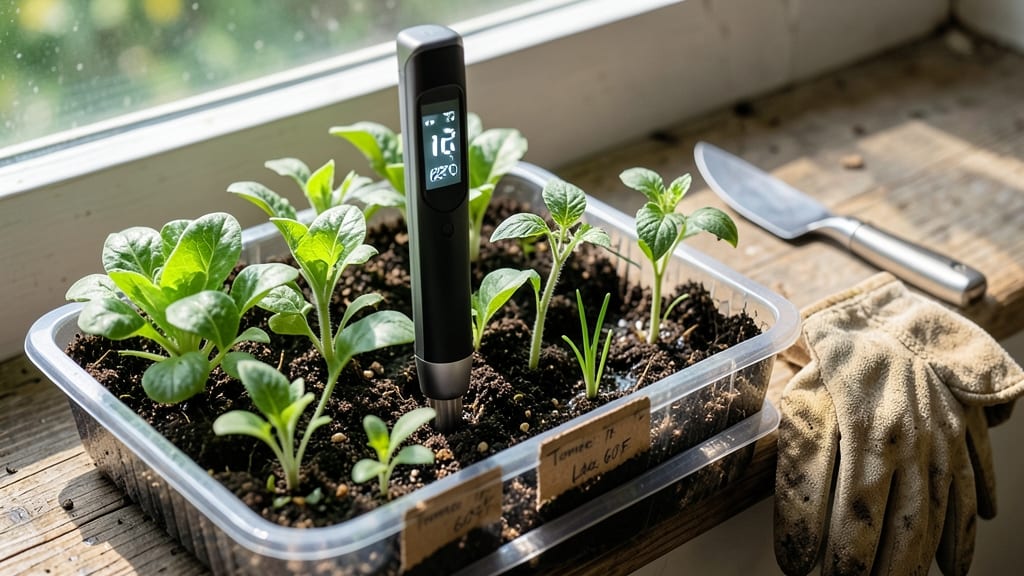
Soil temperature for planting determines when to start based on crop type, with most plants requiring soil between 40°F and 85°F (4°C to 29°C). Cool-season crops like lettuce and peas thrive at 40–60°F (4–15°C), while warm-season favorites such as tomatoes and peppers need soil at 65–85°F (18–29°C) to germinate properly.
Getting your soil temperature right isn't just about waiting until spring—it's about giving seeds the perfect conditions to wake up and grow. 🌱 The magic happens when soil warmth activates enzymes in seeds, breaking their dormancy and encouraging root development.
Too cold? Seeds may rot. Too hot? They can dry out before sprouting. I always test soil temperature with a simple probe thermometer—it’s the best way to avoid guesswork and ensure your plants get off to a strong start.
Different crops have different preferences, so timing matters. For instance, cool-season vegetables like broccoli and spinach can handle chilly soil, while warm-season plants like cucumbers and beans need consistently warm ground.
Even flowers and herbs have their own ideal ranges—knowing these thresholds helps you plan your garden layout and succession plantings for a continuous harvest.
Regional climates add another layer. In cooler zones, you might need to use season extenders like row covers or cold frames to nudge soil temperature up. Meanwhile, in warmer areas, shade cloth can prevent soil from overheating.
The key is balancing nature’s rhythms with your local climate to create the best possible growing conditions.
💡 In This Article
- How Soil Temperature Affects Seed Germination and Root Growth
- Ideal Planting Soil Temperatures by Crop Category
How soil temperature affects seed germination and root growth
Soil temperature triggers seed germination through a biochemical process called enzymatic activation. When soil reaches the right warmth—typically 50–85°F (10–29°C)—enzymes like amylase break down starches in the seed into sugars, fueling the growth of the embryonic root (radicle).
Below 40°F (4°C), these enzymes slow to a crawl, leaving seeds dormant. For example, a pea seed needs soil at 50–65°F (10–18°C) to germinate, while a tomato seed requires 70–85°F (21–29°C) to avoid rotting. 🌱
The root zone is particularly sensitive to temperature. Roots grow best when soil is 5–10°F (3–6°C) warmer than air temperature, as warmth speeds up water and nutrient absorption. Cold soil (below 50°F/10°C) restricts root elongation, while overheated soil (above 90°F/32°C) can scorch delicate root tips.
Microbial activity also peaks at optimal temperatures—beneficial bacteria and fungi multiply faster in 60–80°F (15–27°C) soil, breaking down organic matter into nutrients plants can use.
Temperature even affects seedling vigor. Seeds germinated in too-cold soil often produce weak, leggy sprouts because they stretch toward light while struggling to anchor roots. Conversely, seeds in overly warm soil may germinate too quickly, exhausting their energy reserves before developing strong roots.
This is why planting too early in cool climates can lead to "false starts"—seeds germinate, then die when a late frost hits. 💥
Regional soil warming varies dramatically. In the Pacific Northwest, spring soil may linger at 45°F (7°C) for weeks, while the Southeastern U.S.** can hit 75°F (24°C) by early March. This explains why cool-season crops like kale thrive in northern gardens but bolt (go to seed prematurely) in southern heat.
Understanding these regional patterns helps gardeners adjust planting schedules—sometimes by weeks—to match soil conditions.
Tools like soil thermometers (digital or probe-style) provide precise data, but even simple observations help. Press your hand into the soil: if it feels cool to the touch (below 60°F/15°C), most warm-season crops will struggle.
For cool-season plants, firm but not freezing soil (around 50°F/10°C) is ideal. This tactile check is a gardener’s quick way to gauge readiness before investing in seeds. 🌿
Microbial activity in the soil also responds to temperature. Beneficial microbes like mycorrhizal fungi and nitrifying bacteria thrive in 60–75°F (15–24°C) soil, breaking down organic matter into nutrients. Cold soil (below 50°F/10°C) slows this process, while heat (above 90°F/32°C) can kill beneficial microbes.
This is why compost and mulch help regulate soil temperature—they insulate against extreme fluctuations, creating a stable environment for both roots and soil life. ✨
For gardeners in transitional climates, season extenders like row covers or cold frames can raise soil temperature by 5–10°F (3–6°C), allowing earlier planting. Conversely, shade cloth in hot regions can prevent soil from exceeding 85°F (29°C), which can inhibit germination.
These tools bridge the gap between ideal conditions and real-world variability, giving plants the best chance to thrive. 🌍