
Landscaping
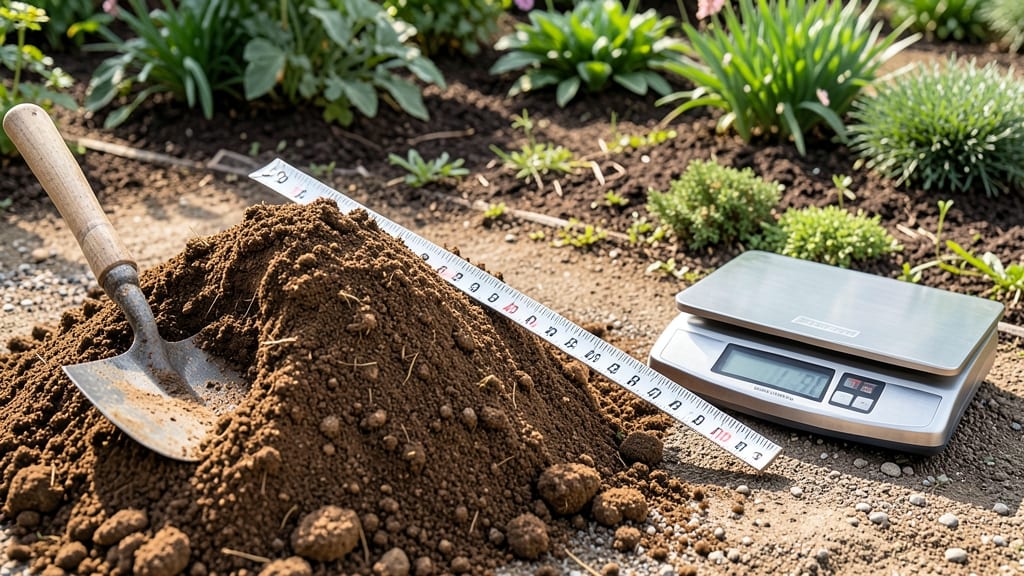
A yard of topsoil weighs between 1,800 to 2,200 pounds, depending on moisture content and density—sandy loam averages 1,800–2,000 lbs, while clay-heavy soil can exceed 2,200 lbs. Always verify with suppliers, as weight varies by compaction and organic matter.
A yard of topsoil's weight shifts dramatically based on its composition.
Clay-based soils pack more densely, often hitting the higher end of the scale, while sandy soils stay lighter. 🌱 Moisture plays a huge role too—wet soil can weigh up to 30% more than dry, which is why suppliers usually specify "dry weight" in contracts.
For landscape projects, I always double-check with the delivery company, as their trucks have strict weight limits that can trip you up if you miscalculate.
This variation matters beyond just logistics. Heavier clay soils settle more over time, potentially requiring extra topsoil for long-term projects like raised garden beds. Meanwhile, lighter sandy soils drain faster but may need amendments to retain nutrients. Understanding these differences helps you budget both for material costs and project planning.
💡 In This Article
- How Topsoil Density Affects Weight per Cubic Yard
- Calculating Topsoil Weight for Landscaping Projects
How topsoil density affects weight per cubic yard
The weight of a cubic yard of topsoil isn't just about volume—it's a direct result of how tightly its particles are packed. Soil density depends on the ratio of sand, silt, and clay particles.
Sandy soils have larger particles with more air pockets, giving them a loose structure that weighs around 1,800–2,000 lbs per cubic yard. Clay soils, with their tiny, tightly packed particles, can exceed 2,200 lbs—think of how a handful of clay feels heavier than sand when squeezed. 🌍
Moisture content is the wild card here. Water adds significant weight—dry sandy loam might weigh 1,800 lbs, but when saturated, it can jump to 2,300 lbs or more. This is why suppliers often quote "dry weight" and specify moisture content in contracts.
Organic matter like compost or peat also increases weight by adding bulk without significantly changing particle density. For example, a mix with 20% compost could weigh 5–10% more than pure mineral soil.
Compaction plays a huge role in real-world projects. Loose topsoil delivered to a site might weigh 1,800 lbs, but after spreading and leveling, it could settle to 2,100 lbs due to natural compression. This is why landscapers often order 5–10% more than calculated to account for settling.
The difference between loose and compacted soil can mean the difference between a successful project and one requiring costly last-minute adjustments. 🏗️
Here's a quick breakdown of how different soil types compare:
- Sandy soil: 1,800–2,000 lbs (light, drains fast, low nutrient retention)
- Loamy soil: 2,000–2,200 lbs (ideal balance, good moisture retention)
- Clay soil: 2,200–2,500 lbs (heavy, slow drainage, high nutrient capacity)
- Peat/compost mixes: 1,500–1,900 lbs (lighter but nutrient-rich)
Understanding these variations helps you plan for both material costs and structural needs. For instance, clay soil's extra weight might require reinforced beds for heavy plants like roses, while sandy soil may need frequent watering and amendments.
The key is knowing your soil's type before ordering—most suppliers can provide a soil analysis if you ask. 🔍
One practical tip: If you're spreading topsoil yourself, account for a 10–15% weight increase after compaction. This extra buffer ensures you won't run short mid-project. For large projects, consider renting a soil compactor to achieve consistent density and avoid surprises during installation. 💪